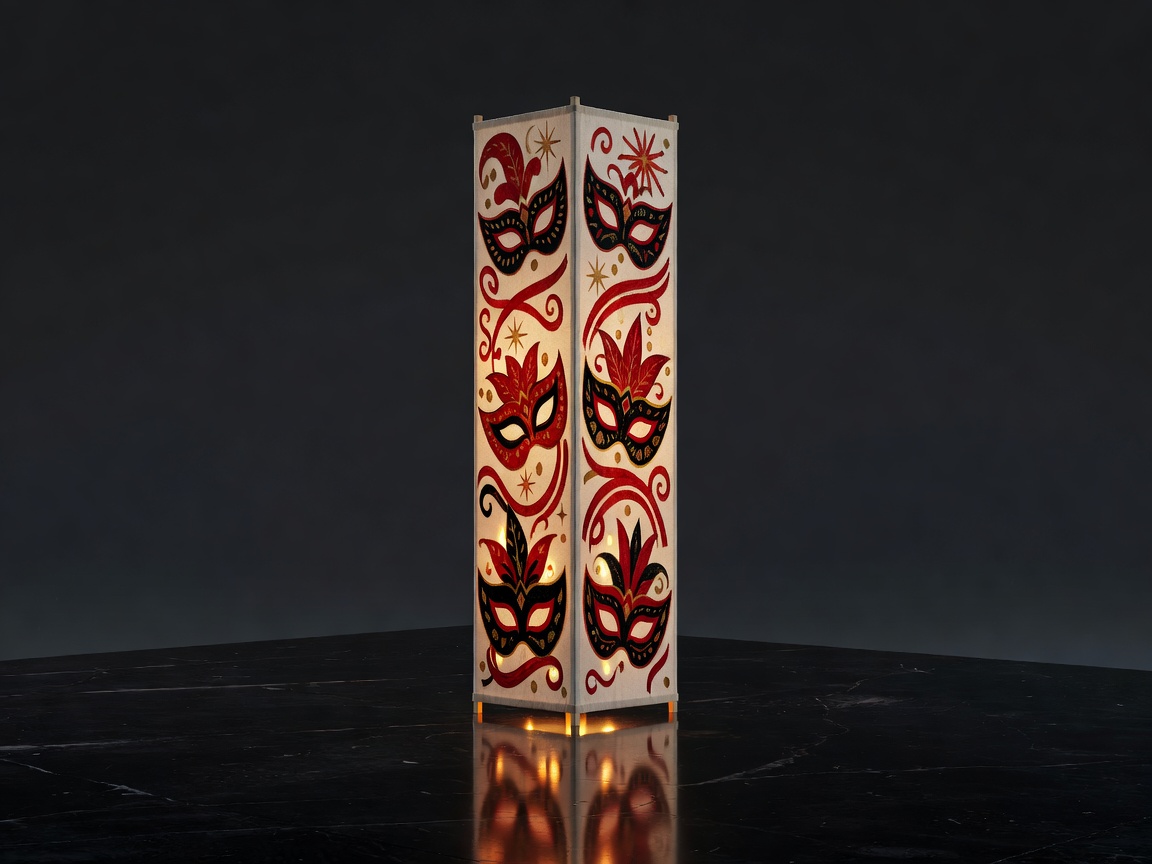
Cologne's 1823 Festkomitee and the Rosenmontag Parade
Cologne's modern carnival took formal civic shape in 1823, when local merchants formed the Festkomitee Kölner Karneval to bring order to rowdy post-Napoleonic street revelry. They created the Kölner Dreigestirn—the Prince, Peasant, and Maiden—dressed in eighteenth-century Prussian military parody and crimson velvet. Today, the Rose Monday procession departs Chlodwigplatz beside the medieval Severinstorburg and winds 7.5 kilometers past Cologne Cathedral.
More than 11,000 participants march alongside ninety satirical Persiflage floats sculpted from chicken wire and papier-mâché. Brass bands, traditional guard regiments like the Rote Funken (established 1823), and mounted riders cast some 300 metric tons of sweets—Kamelle—and small nosegays toward crowds shouting "Kölle Alaaf!" Every costume and float keeps its design strictly confidential inside guarded workshops until parade morning.
Basel's 04:00 AM Morgenstreich and Cliquen Discipline
Upstream in Switzerland, Basel retains the distinction of opening its Fasnacht on the Monday after Ash Wednesday, an arrangement rooted in medieval Invocavit fasting adjustments and preserved after the Protestant Reformation of 1529. At exactly 4:00 AM, municipal engineers cut power to streetlamps and shop windows across the old town from Grossbasel to Kleinbasel. On the command "Morgenstreich, vorwärts marsch!", roughly two hundred organized Cliquen step into the darkness.
Unlike Cologne's open-faced revelry, Basel participants wear full-head papier-mâché Larven masks throughout the street hours so no musician is recognized by spectators. Every Clique marches behind a massive backlit canvas Zuglaterne mounted on a wheeled carriage and accompanied by head-mounted Kopflaternen. No brass instruments appear during Morgenstreich; only sharp Basel drums and boxwood piccolos sound through the narrow stone alleys, where cafés serve flour soup (Mehlsuppe) and onion tarts (Zwiebelwähe) before dawn.
Satire in Verse: Zeedel and Schnitzelbängg
Both cities treat political caricature as a central duty rather than an ornament. During Basel's afternoon Cortège parades on Monday and Wednesday, masked marchers distribute printed Zeedel broadsheets written in Baseldytsch dialect examining municipal blunders from the past year. At night, solo ballad singers known as Schnitzelbängg tour crowded Cliquenkeller guild cellars, singing rhymed couplets beside painted easels called Helgen.
By 4:00 AM on Thursday morning—Endstraich—the drums cease simultaneously across Münsterplatz and Marktplatz, returning the city to Lenten quiet until the next spring.